Face drilling jumbos
Select a face drilling jumbo around the excavation profile and hole pattern. The range includes single-boom and twin-boom arrangements, a basket-equipped model and a low-roof option. Use the face drawing to compare working coverage, then check whether the proposed machine can travel to that position.
Models in this category
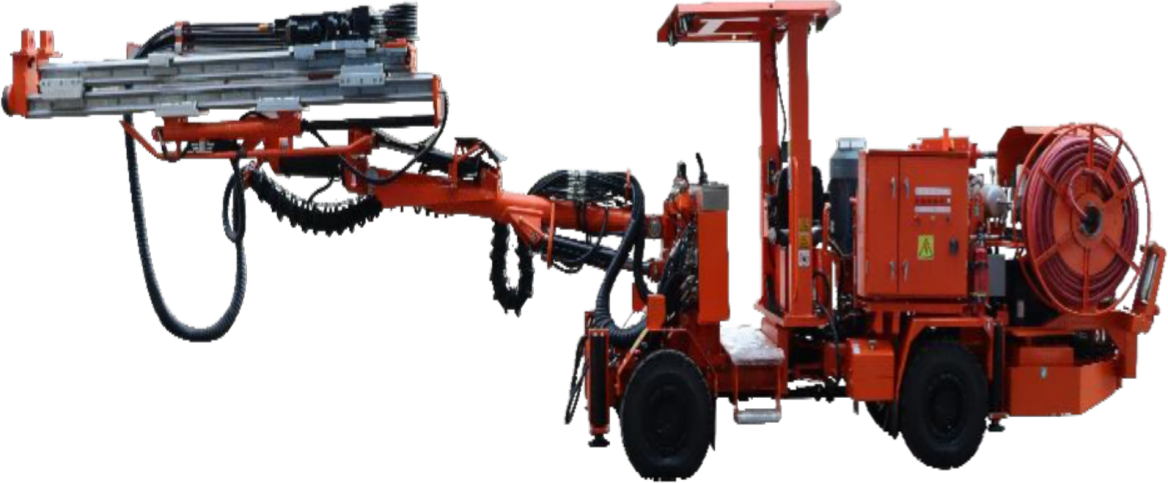
Single-boom Face Drilling Jumbo
ZDFJ76A1 — Single-boom Face Drilling Jumbo
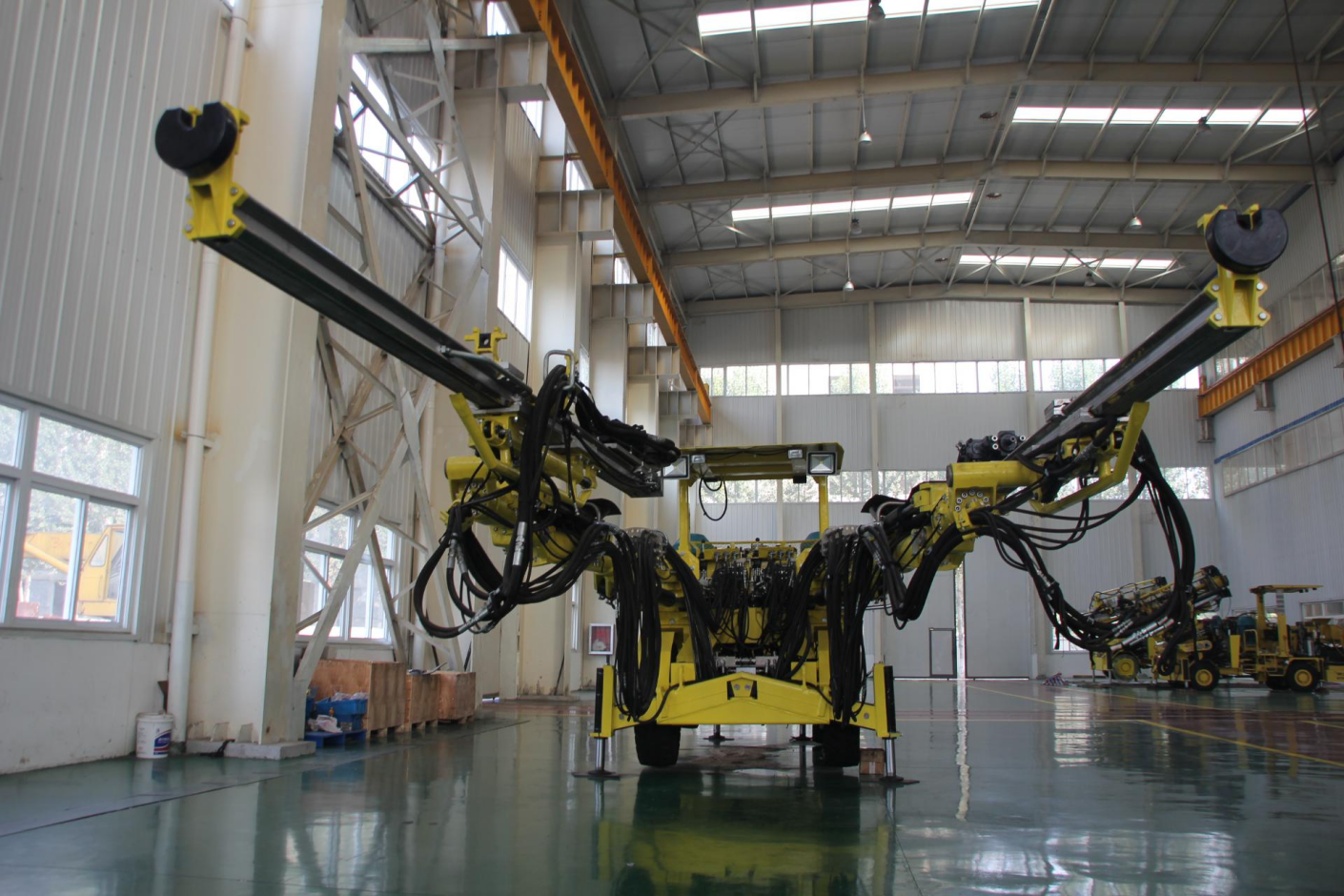
Twin-boom Face Drilling Jumbo
ZDFJ76A2 — Twin-boom Face Drilling Jumbo
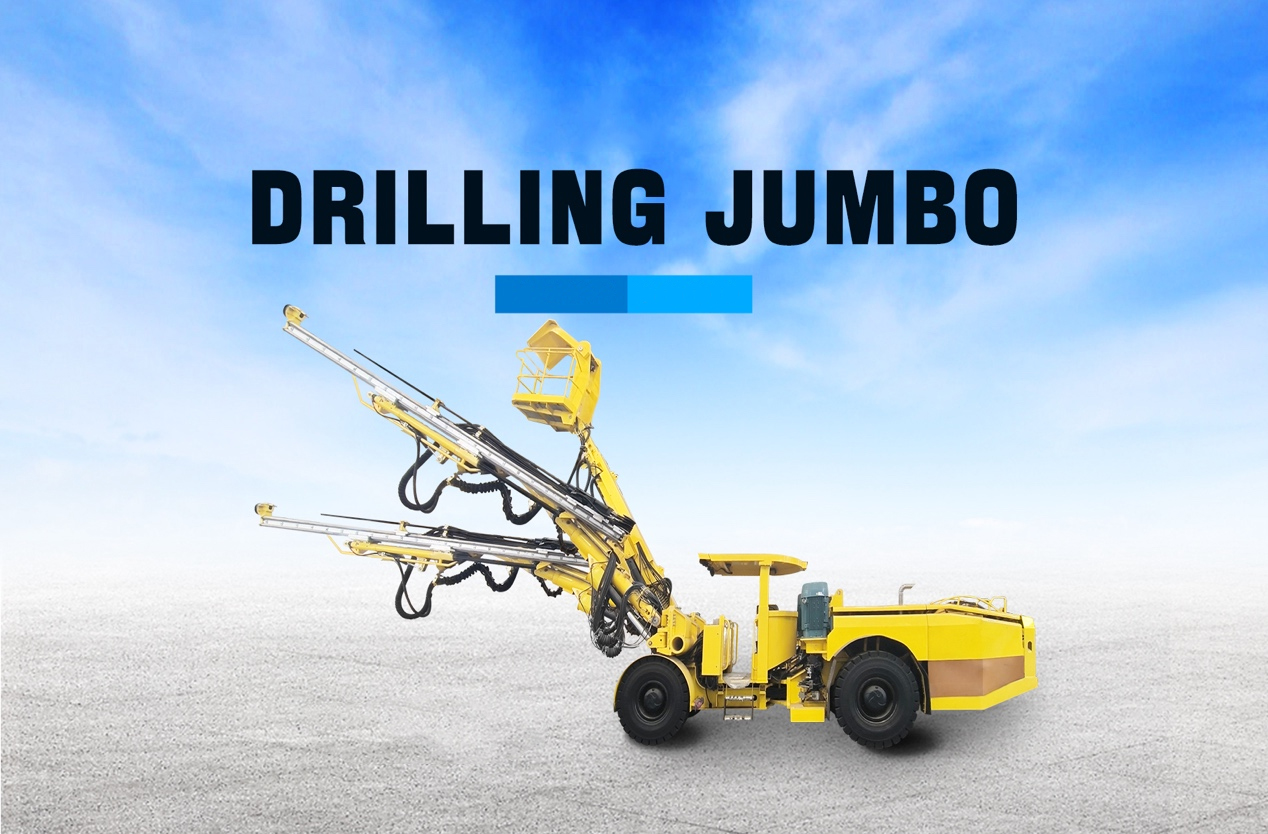
Twin-boom Face Drilling Jumbo with Basket
ZDFJ86A/2 — Twin-boom Face Drilling Jumbo with Basket
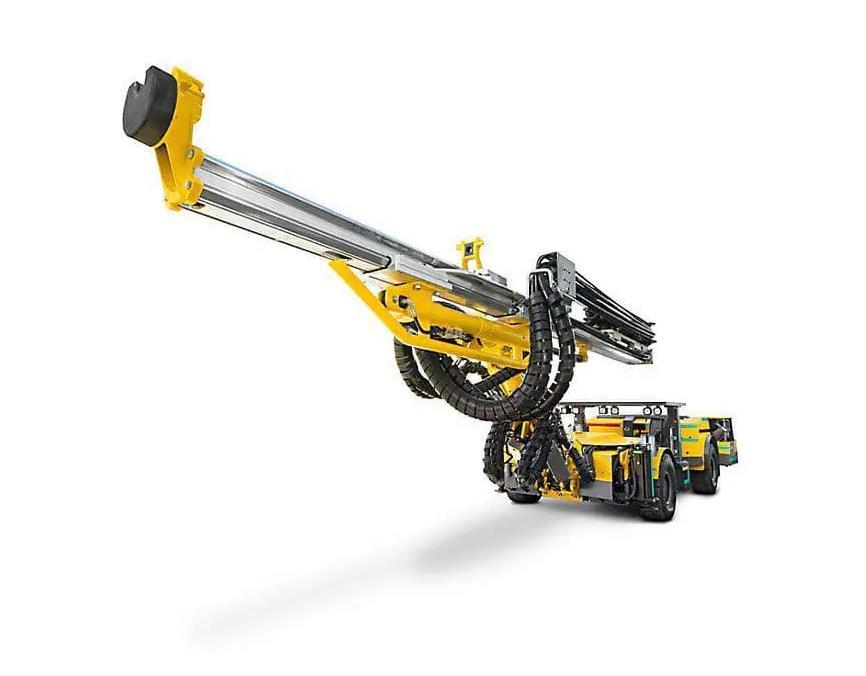
Low-roof Face Drilling Jumbo
ZDFJ76B/1 — Low-roof Face Drilling Jumbo
Choosing between one boom and two? Send the face drawing with your inquiry. If you need a basket or have a restricted roof height, mention that at the start. The ZDFJ86A/2 and ZDFJ76B/1 pages cover those distinct arrangements; neither should be selected from a photograph alone.
Single-boom drilling jumbo or twin-boom arrangement?
The ZDFJ76A1 is the single-boom reference, while the ZDFJ76A2 has twin booms. Compare the required drilling pattern, access to the face and space for positioning the feeds. Boom count alone does not establish the time needed to complete your particular drilling cycle.
For a twin-boom drilling jumbo with a basket, review the ZDFJ86A/2. State the work you intend to perform from the basket and request its operating limits; the supplied material does not establish a basket load rating. Include power and water availability in the same inquiry.
When to review a low-roof drilling jumbo
The ZDFJ76B/1 is documented for low-vein mining and restricted-height tunnels. Send both the access profile and the working face dimensions. Check the complete machine and feed arrangement against those drawings instead of using minimum tunnel height as the only selection criterion.
Several source documents contain revision or specification conflicts. Retain the individual product-page qualifications and request a current technical sheet for the exact configuration. For production long holes, use the separate underground drilling rig range so the comparison starts with the correct drilling task.
Choose around
your application.
What does your face look like?
A drawing is more useful than a general tunnel size. Include the face width and height, the hole pattern, and any area the boom must reach. Tell us whether the machine will also be used for bolt-hole work.
Check the travel route, too.
The working position is only part of the check. Share narrow passages, bends and overhead obstructions along the access route. Ask for the dimensional drawing for the exact feed and boom arrangement you are considering.
Confirm the quoted configuration.
Some values differ between the supplied documents. The product pages leave those fields out or identify what needs confirmation. Use a current, model-matched technical sheet when agreeing on the final configuration.
Selection questions
What separates face drilling from production drilling?
This category covers development-face drilling. The ZDTC range addresses production long-hole work; begin with the hole plan to determine which range to review.
Does a larger coverage figure guarantee access?
No. Working coverage and travel dimensions describe different conditions. Check both against the face drawing and the route to the drilling position.
What should a jumbo inquiry include?
Provide the face profile, hole pattern, hole dimensions, utilities and restricted access points. State whether basket access or a low-roof arrangement is required.